Boca Raton, Florida Hotel

Showing posts with label Summer Safety. Show all posts

Beat The Heat And Sun


Heat-related illness happens when the body’s temperature control system is overloaded. Infants and children up to 4 years of age are at greatest risk. Even young and healthy people can get sick from the heat if they participate in strenuous physical activities during hot weather. For heat-related illness, the best defense is prevention.

  • Never leave infants, children, or pets in a parked car, even if the windows are cracked open.
  • Dress infants and children in loose, lightweight, light-colored clothing.
  • Schedule outdoor activities carefully, for morning and evening hours.
  • Stay cool with cool showers or baths.
  • Seek medical care immediate if your child has symptoms of heat-related illness.

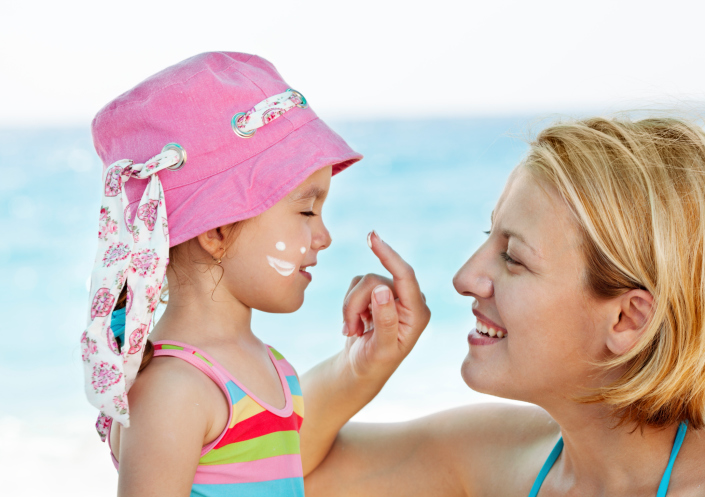
Just a few serious sunburns can increase you and your child's risk of skin cancer later in life. Their skin needs protection from the sun's harmful ultraviolet (UV) rays whenever they're outdoors.

  • Cover up. Clothing that covers your and your child's skin helps protect against UV rays.
  • Use sunscreen with at least SPF (sun protection factor) 15 and UVA (ultraviolet A) and UVB (ultraviolet B) protection every time you and your child go outside.

Summer Safety Rules to Teach Your Child Now


The weather is finally nice and everyone is relaxing and spending way more time outside. It's just the best time of year.
You should be aware, however, that kids actually have a much higher risk of injury during this season. In fact, summer is often referred to as "trauma season" by many medical professionals, because children are spending way more time on playgrounds, boats, bikes, and other outdoor activities. That makes them more likely to get hurt than if they were just sitting inside.
But don't worry—your little one can still have plenty of fun this summer.The goal is to get your kid involved, too, so that she will learn to take care of herself from a young age.
Here are five simple rules you can start teaching your child right now:
  • Wear a hat, sunglasses, and sunscreen when you go outside.
  • Only go swimming when there's an adult there to watch, and make sure you have a life jacket on whenever you're on open water.
  • Stay inside when an adult is mowing the lawn. (There are an average of 35,000 lawn mower injuries that are serious enough to require an ER visit each year!)
  • Stay far away from campfires and fire pits.
  • Always ride down a slide feet first and one at a time.

How to Choose Sunscreen

Look for SPF (sun protection factor) numbers on the labels of sunscreens. Select an SPF of 30 or higher to prevent sunburn and tanning, both of which are signs of skin damage. Choose a sunscreen that protects against both UVA and UVB rays (usually labeled as a "broad-spectrum" sunscreen).
Sunscreen sprays are convenient but should be used with caution. For starters, sprays are easy to breathe in, which can irritate the lungs. Some sprays also are flammable, so you need to avoid sparks or flames when applying them and wearing them. And, sprays make it hard to tell if you have applied enough sunscreen, which increases the risk of sunburn.
Other things to consider:
  • Don't use sunscreens with PABA, which can cause skin allergies.
  • For sensitive skin, look for products with the active ingredient titanium dioxide.
  • If your teen or preteen wants to use a self-tanner sunscreen, be sure to get one that also has UV protection (many offer little or none).
Babies younger than 6 months should be kept out of the sun. When going outside, dress your baby in lightweight clothes that cover arms and legs — and don't forget a hat. If you can't avoid the sun, you can use a small amount of sunscreen on your baby's exposed skin, like the hands and face.